A Global Initiative
Travel has become more accessible than ever, and with it, the desire to “give back” to the communities visited. This has fuelled the rise of voluntourism -short-term volunteer opportunities marketed to tourists. While intentions are often good, unregulated voluntourism can be harmful to children.
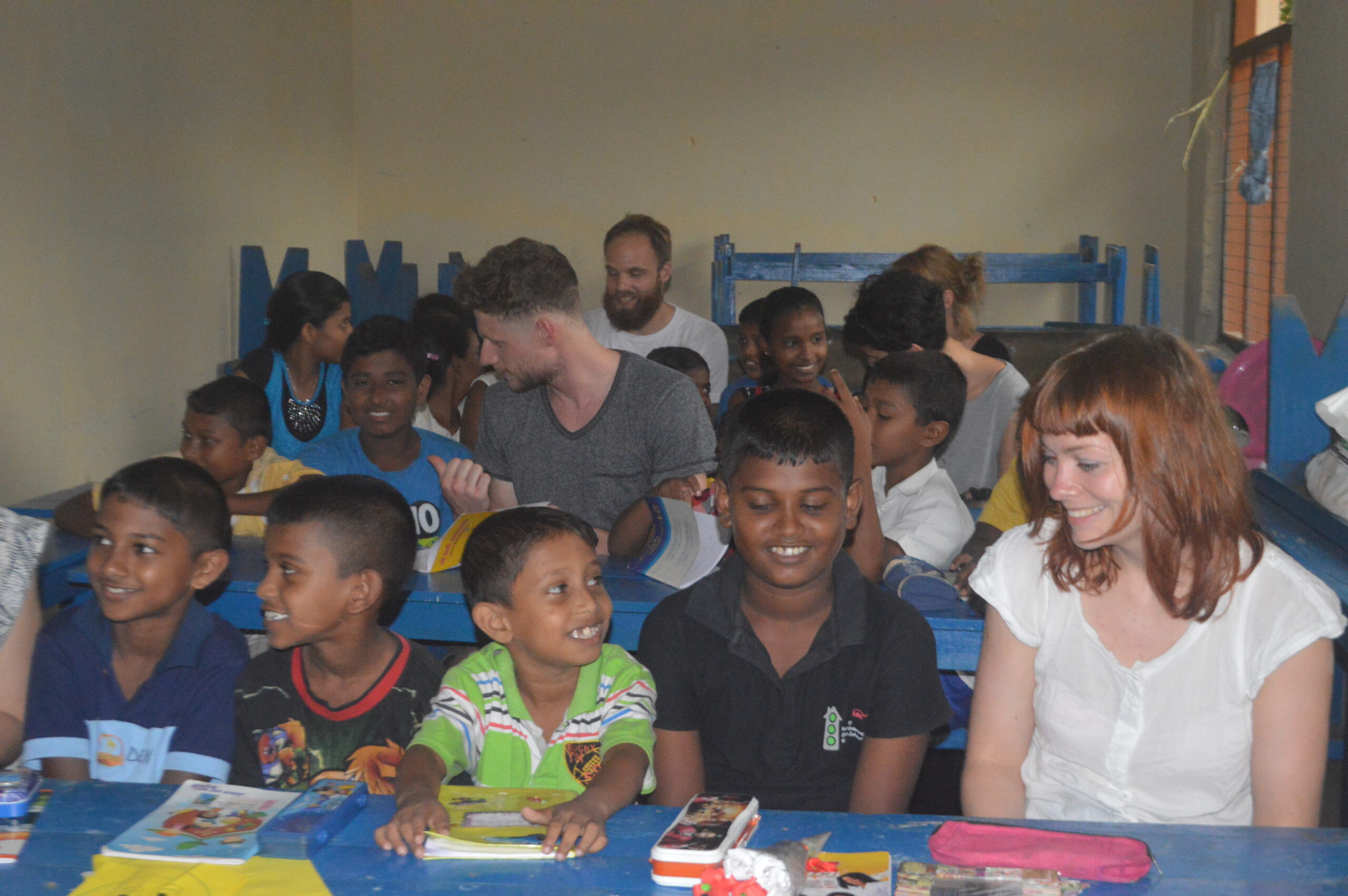
Unskilled visitors are placed in sensitive roles in places like orphanages, schools, or community centres without proper background checks or child-safeguarding policies. These practices can unintentionally sustain harmful institutional care models and create unstable attachments for children. In some cases, it can even provide opportunities for offenders to exploit them.
To address these risks, ECPAT International, with funding from the UBS Foundation and in collaboration with partners like PEaCE/ECPAT Sri Lanka, APLE Cambodia and ECPAT Philippines, has launched a project to strengthen child protection systems within the tourism sector.
The Problem: Voluntourism vs. Professional Volunteering
At the core of this initiative is a crucial distinction between two different types of volunteer work.
Professional Volunteering involves structured programmes where skilled experts address specific challenges as part of formal international development efforts. These programmes prioritise matching skills to needs, include mandatory background checks and child safeguarding policies and focus on creating a long-term, sustainable impact.
By contrast, Voluntourism is often marketed as a “feel-good” travel experience. These short-term opportunities place tourists, who typically lack relevant skills or qualifications, directly with children. Without proper checks or safeguards, these practices can be harmful. They may sustain outdated institutional care models, create unstable attachments for children and in some cases, even provide opportunities for offenders to access and exploit them.
Reports presented to the UN General Assembly by the UN Special Rapporteur on the Sale and Sexual Exploitation of Children and the UN Special Representative of the Secretary General on Violence against Children have called for urgent regulation of voluntourism. As Ms. Mama Fatima Singhateh noted, “Volunteering is good. It’s the unregulated, unskilled volunteering for the purpose of tourism with children that is not, but it can be made better.”
The Project’s Global Strategy
This initiative employs a multi-faceted strategy that combines advocacy, capacity building, and international collaboration to drive change.
Regulating Voluntourism
Advocacy campaigns, including workshops, lobbying and social media outreach, are used to persuade governments and policymakers to adopt strong legal frameworks. These frameworks are designed to clearly define voluntourism, establish monitoring systems and enforce penalties for non-compliance. A decentralised approach, using local government ordinances, has proven effective for practical, context-specific implementation.
Equipping Tourism Professionals
To create a lasting impact, the project focuses on training the next generation of tourism professionals. The Core Competencies Framework for Tourism Education Professionals, developed with input from experts in 16 countries, integrates child protection into tourism curricula. This framework equips future industry workers with the necessary knowledge and skills to uphold high standards of child protection.
Global Collaboration
The global nature of voluntourism requires international cooperation. The initiative connects the experiences of both “sending” and “receiving” countries, including Germany, the Netherlands, Cambodia, the Philippines, and Sri Lanka. Through regional dialogues and a global roundtable, stakeholders can share best practices and align their strategies to achieve common goals. The actionable model being developed in Sri Lanka will serve as a cornerstone of this effort, providing an example for other countries to inspire broader, collective action.
The Work in Sri Lanka
Sri Lanka serves as a key pilot country for this international project, providing a model for how a single nation can drive change on a global scale. The on-the-ground efforts, led by PEaCE/ECPAT Sri Lanka, employ a multifaceted approach to regulate voluntourism and protect children.
Advocacy and Policy Making:
The primary objective is to establish a robust legal framework for regulating voluntourism. ECPAT Sri Lanka is working to build consensus among government entities, civil society organisations, tour operators, hoteliers and other key stakeholders. A specific proposal for regulation was drafted and validated by policymakers, including the Tourism Development Authority and the National Child Protection Authority (NCPA). The initiative recognises that using local government ordinances can be a highly effective, decentralised way to ensure practical, context-specific regulations.
Awareness and Education:
The project actively raises public awareness about the potential harm of unregulated voluntourism. This is done through various channels, including national stakeholders’ consultations, workshops, social media and local newspapers, to educate both the local community and tourists about the risks. The goal is to empower people to make informed choices that prioritise child protection.
Global Collaboration and Learning:
The work in Sri Lanka is a vital part of the broader international effort. The experience and the replicable model being developed will be documented and shared in a comprehensive global case study, accompanied by a technical brief. This guide will help other countries and regions adopt the lessons learned in Sri Lanka, ensuring that national efforts inspire a unified, worldwide approach to protecting children.
Collaboration and International Cooperation
Sri Lanka’s pilot serves as a global case study, providing technical briefs and practical examples for other countries. By connecting with NGOs and advocacy networks worldwide, Sri Lanka ensures that lessons learned locally contribute to a unified global model for safe, regulated voluntourism.
Driving Global Change
The Sri Lankan project demonstrates how good intentions can be reshaped into good practices. By creating a regulated, child-focused voluntourism framework, it aims to inspire governments, businesses, and civil society worldwide to prioritise children’s rights in tourism.
Ultimately, this initiative is a call to action to ensure every tourism experience strengthens, rather than undermines, the right of every child to live free from violence and exploitation. Sri Lanka’s leadership will not only protect its own children but will also serve as a beacon, guiding international efforts to transform voluntourism into a force for positive, lasting change.