Why This Project Matters
Child sexual exploitation and abuse (CSEA) is one of the gravest human rights violations affecting children in Sri Lanka. Research shows that 32 children are abused every day and between 2016 and 2021, more than 21,000 sexual crimes against children were officially reported. With widespread internet use, online sexual exploitation, including grooming, sextortion, sexting and the sharing of child sexual abuse materials, has risen sharply.
Offline, children face exploitation at home, in schools, in communities and within the tourism industry. Sri Lanka has historically been a destination for child sex tourism, leaving children highly vulnerable. Many cases go unreported due to stigma, fear, or weak law enforcement, leaving perpetrators unpunished and free to reoffend.
The Right to Justice project, led by PEaCE/ECPAT Sri Lanka, responds to this urgent crisis. The project empowers children, families, communities and industries, strengthens support systems for survivors and collaborates with state institutions to enhance justice and accountability.
Project Objectives
- Prevention: Reduce risks of CSEA by raising awareness among children, parents, teachers, and communities.
- Support and Justice: Provide survivors with access to counselling, legal aid, education and referral services.
- Systems Strengthening: Equip law enforcement, judiciary, teachers and child protection officers with knowledge and tools to better respond to CSEA.
- Advocacy and Reform: Work with government agencies to influence stronger laws, enforcement and effective child protection policies.
Our Approach
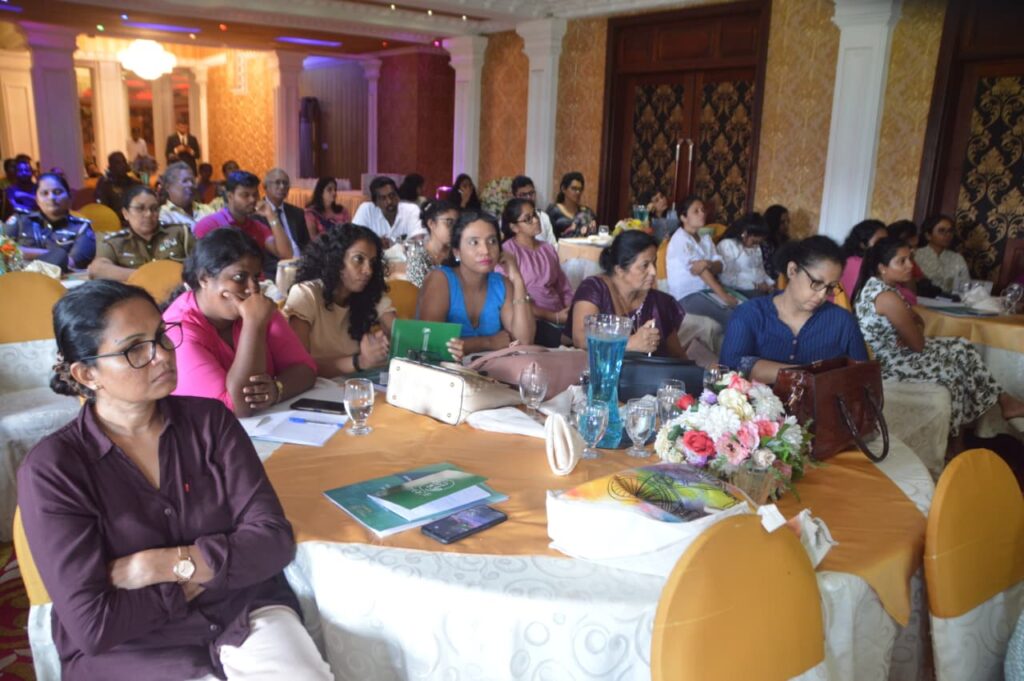
Children and Youth Empowerment
- Identify and engage 5,000 children and youth from vulnerable communities.
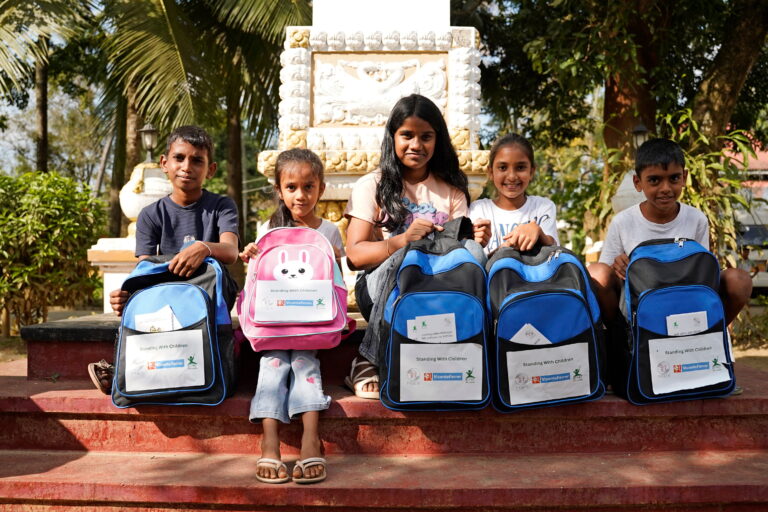
- Conduct 25 school-based programmes teaching children how to recognise, resist and report abuse incidents.
- Train school prefects and children’s council members as change agents.
- Organise district-level youth awareness sessions to build resilience against online and offline exploitation.
Family and Community Mobilisation
- Reach 1,500 parents and community leaders through awareness programmes in 10 districts.
- Support Village Child Development Committees to build protective community structures.
- Train grassroots civil society organisations (CSOs) to spread awareness and mobilise local leaders.
Survivor Support and Justice
- Identify and support a minimum of 40 survivors with counselling, legal representation and referral to services.
- Train police officers, child protection officers and lawyers to respond with survivor-centred approaches.
- Provide long-term follow-up to survivors and their families to ensure sustained recovery.
- Establish case documentation and support advocacy for systemic justice improvements.
Advocacy and Policy Engagement
- Influence the government to adopt and implement the National Action Plan to Eliminate CSEA.
- Conduct public campaigns in high-risk communities to raise awareness and challenge harmful social norms.
- Partner with ministries, the National Child Protection Authority (NCPA), Sri Lanka Police and tourism authorities to tackle both offline and online exploitation.
Who We Work With
Rights-holders
- 5,000 children and youth (mainly between 9 – and 18-year-olds)
- 40 survivors of CSEA
- Families and witnesses (approx. 500)
Duty-bearers
- Teachers and principals (750)
- Child Protection Officers and Child Rights Promotion Officers (300)
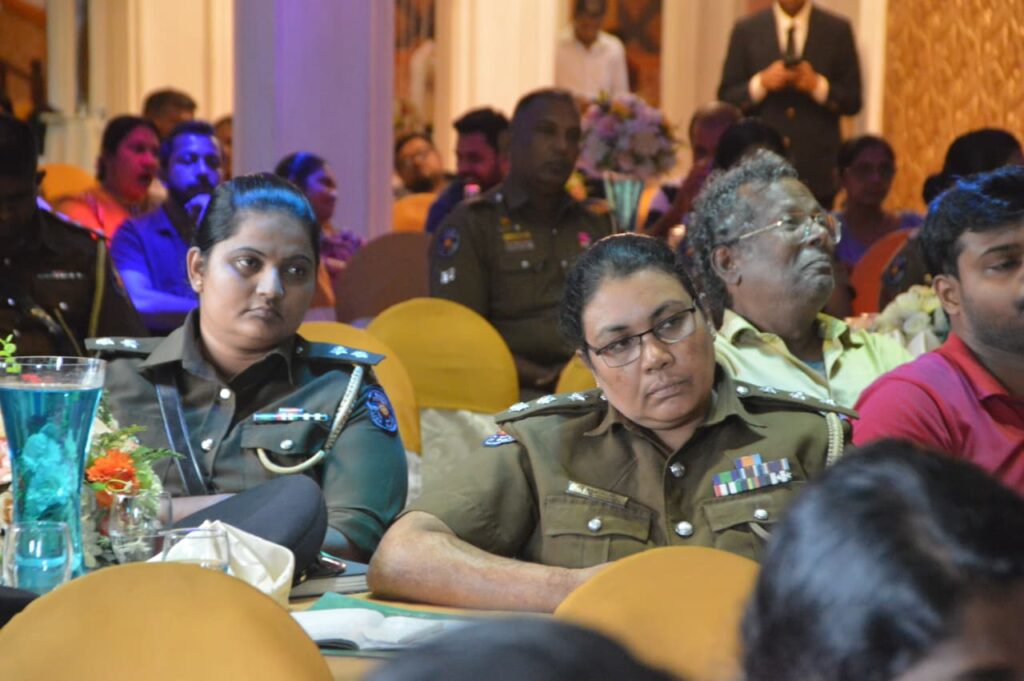
- Police officers, including Women and Children’s Desks (180+)
- Lawyers (300)
Other Stakeholders
- Parents and community leaders (1,500)
- Tourism operators and hotel staff (250)
- CSOs working with women and children (100)
- ICT professionals and internet service providers (20)
Key Activities
- 25 school programmes and 20 district children’s Council sessions empowering children.
- 10 school prefect workshops and nine youth awareness events across provinces.
- Parental guidance sessions in 10 vulnerable districts.
- Survivor care programmes with legal, psychosocial and educational support.
- Police, lawyer and child probation officer trainings to improve survivor-sensitive responses.
- Community campaigns in 6 high-risk areas using street theatre, markets and public spaces.
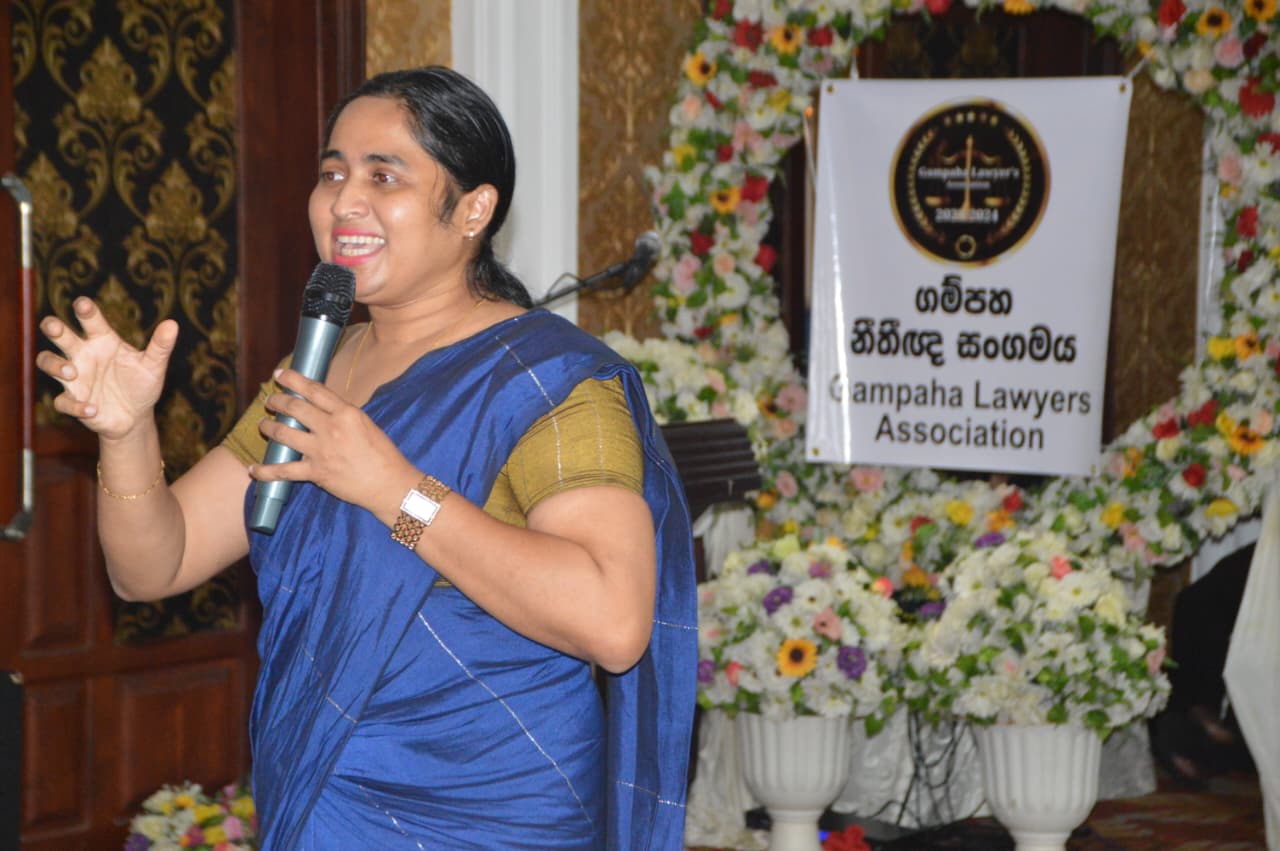
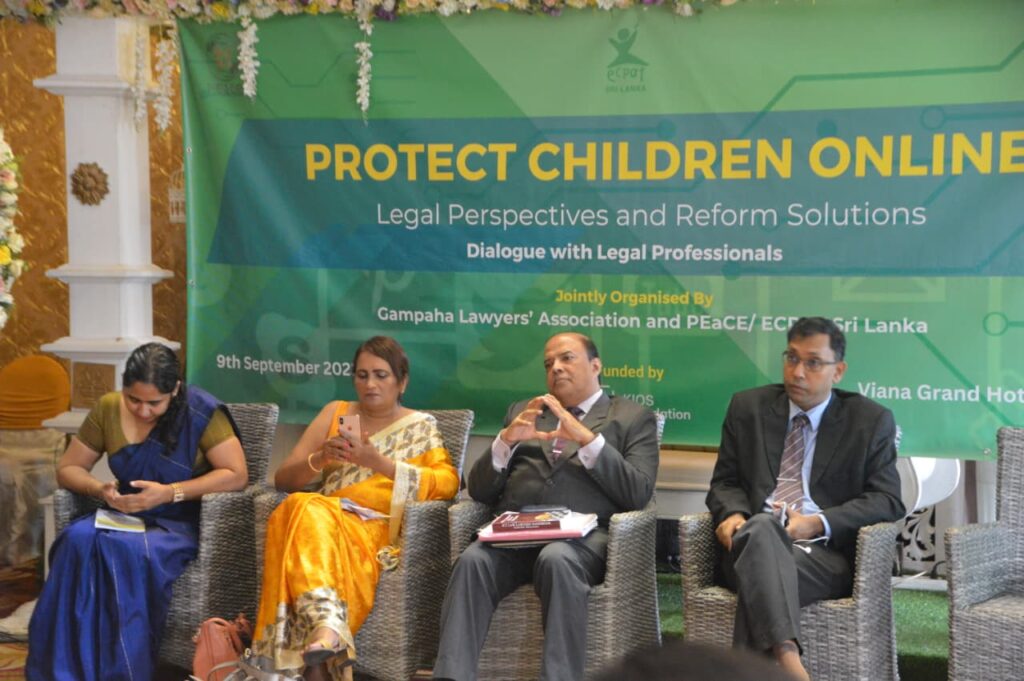
- Advocacy forums with the government and CSOs to push for national reforms.
Sustainability and Long-Term Impact
This project is designed not just to respond to abuse, but to build a sustainable, rights-based culture of child protection:
✔ Police, teachers and CSOs equipped with survivor-centred tools
- Children and youth become peer leaders and agents of change.
- Parents and communities are empowered to act as the first line of protection.
- Law enforcement and lawyers are trained to deliver justice consistently.
- Policies and legal frameworks are strengthened through advocacy.
- The long-term vision is an enabling environment where children are protected, survivors are supported, and perpetrators are held accountable.
Our Partnerships
PEaCE/ ECPAT Sri Lanka collaborates with:
- National Child Protection Authority (NCPA)
- Department of Probation and Childcare Services
- Sri Lanka Police and Bureau for the Prevention of Abuse of Children and Women
- Sri Lanka Tourism Development Authority and hotel schools
- Bar Association of Sri Lanka
- International partners including ECPAT International, INTERPOL, WeProtect Global Alliance and SAIEVAC
The Difference We are Making
✔ 5,000+ children and youth empowered every year
✔ 1,500 parents and leaders trained to prevent CSEA
✔ 40 survivors provided with direct support annually
✔ National reforms advocated through coalitions and government engagement
Together, we are building a Sri Lanka where every child can live free from fear, exploitation and abuse.