In the wake of Cyclone Ditwah, which caused severe flooding and displacement across large parts of Sri Lanka, PEaCE | ECPAT Sri Lanka stepped forward to support children and families whose lives were abruptly disrupted.
Guided by our vision of a society where every child lives free from harm, and our mission to protect children’s rights through prevention, care, and systemic change, PEaCE | ECPAT Sri Lanka prioritised child-centred relief as soon as the waters began to recede.
From Emergency Response to Child-Centred Action
Immediately following the disaster, PEaCE coordinated closely with district and divisional authorities to identify the most severely affected communities. Official data shared by government institutions helped map flood-impacted Grama Niladhari (GN) Divisions within the Kolonnawa Divisional Secretariat Division, one of the most flood-prone urban areas in Colombo.
As soon as conditions allowed safe access, our teams began rapid field-level data collection, using welfare centres and temporary shelters as the first points of engagement. This initial effort quickly expanded to household visits, community centres, schools, religious worship places, and common gathering points, ensuring that children outside formal camps were not overlooked.
Over the course of the operation, data was:
- Collected directly from families
- Digitised and systematically processed
- Verified through follow-up calls and field confirmation
- Used to transparently plan distributions and avoid duplication
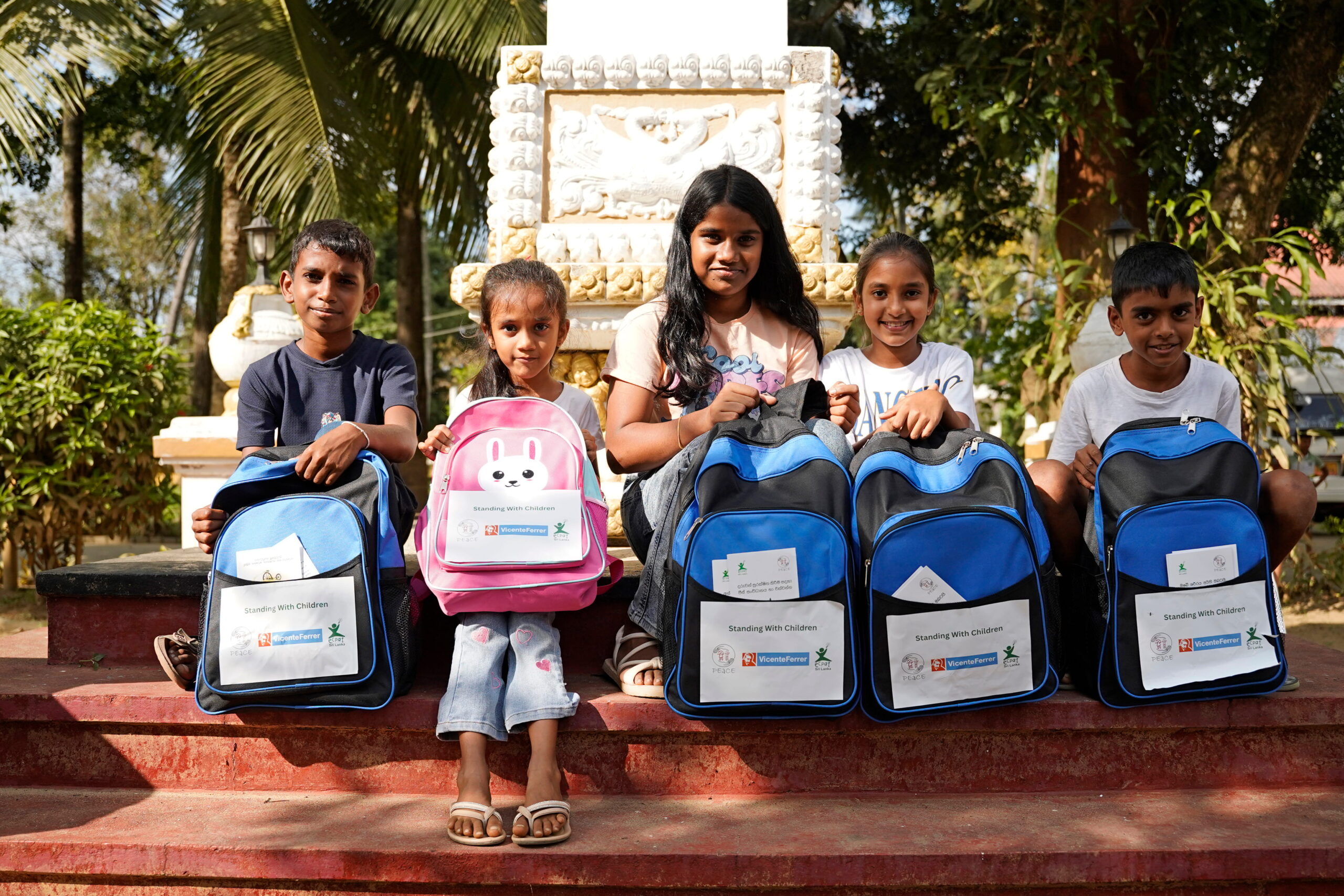
This process formed the backbone of a child-focused relief intervention reaching over 4,500 children and hundreds of caregivers.
What the Operation Involved
Behind every distribution was an intensive, multi-stage effort. Our teams undertook:
- Mapping flood-affected GN Divisions
- Designing and deploying data-collection tools
- Conducting field visits to camps and communities
- Digitising and analysing beneficiary data
- Verifying beneficiary details through direct communication
- Coordinating distribution schedules and beneficiary notifications
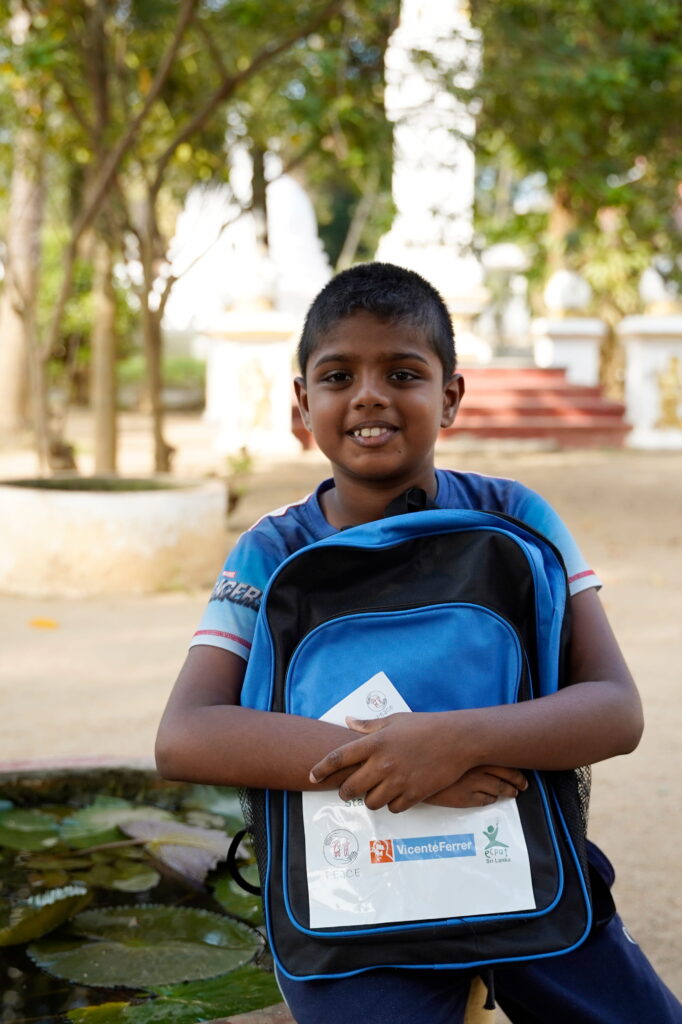
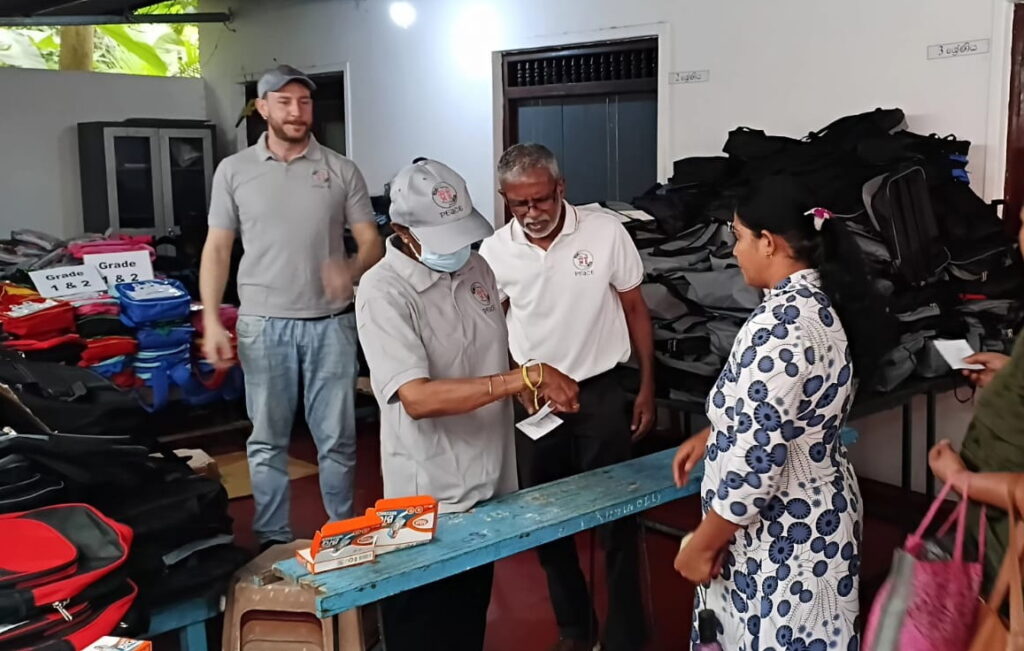
- Packing age-appropriate education recovery kits
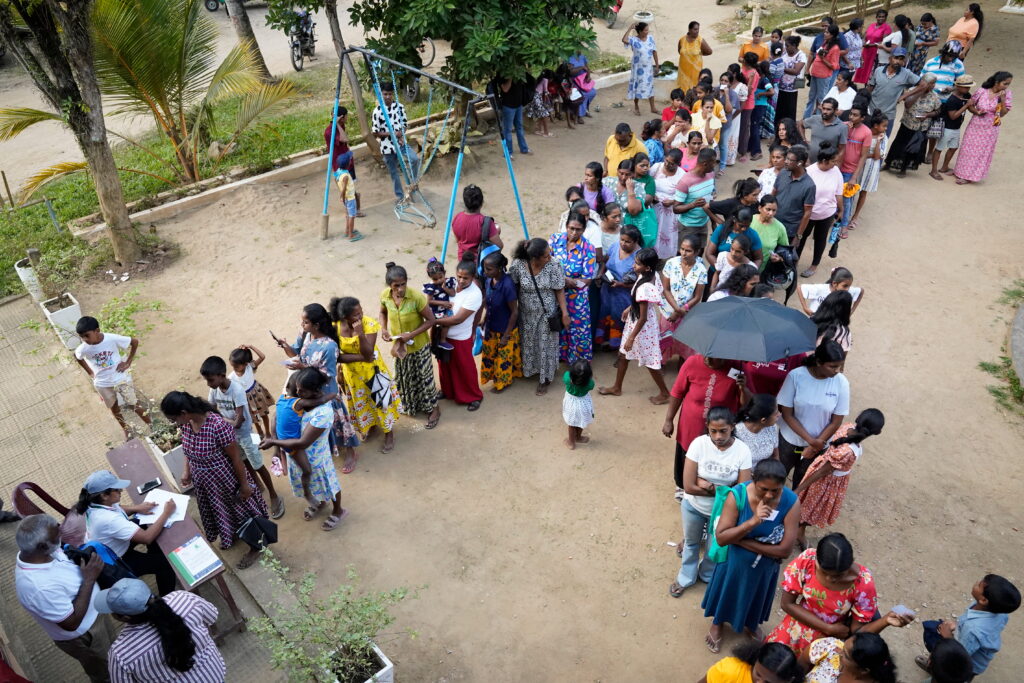
- Managing on-site distributions with accountability and care
Each stage required significant human effort, time, and coordination, supported by technology and strengthened by teamwork.
The Power of Volunteers and Community Solidarity
This large-scale emergency response was made possible by the commitment of staff and a dedicated group of volunteers, many of whom balanced their involvement alongside studies, employment, and family responsibilities.
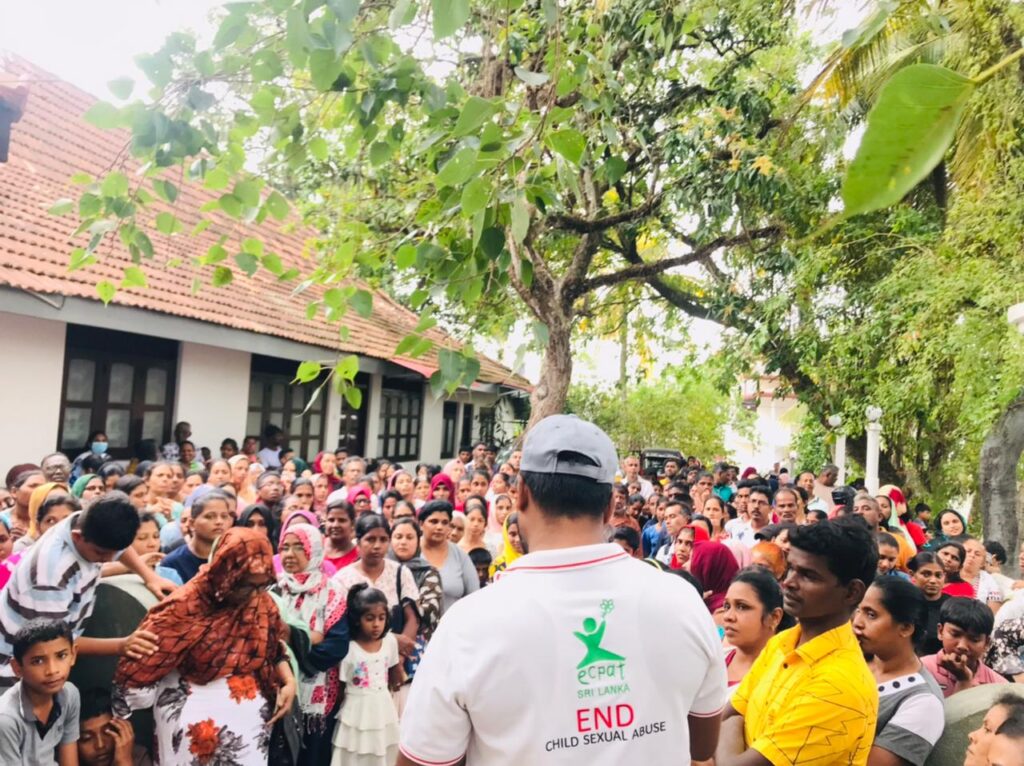
What stood out most was the solidarity shown by the affected communities themselves — residents helping unload supplies, parents patiently following verification processes, and children waiting in long queues with resilience and quiet hope. At the same time, the team navigated challenging field realities, including high stress, urgency, and occasional tensions, responding with calm, fairness, and professionalism.
Across generations, people from all stages of life came forward to support the effort — a powerful reminder of collective strength in times of crisis.
Impact So Far
Within a short period of intensive implementation:
- 10 GN Divisions in Kolonnawa were covered
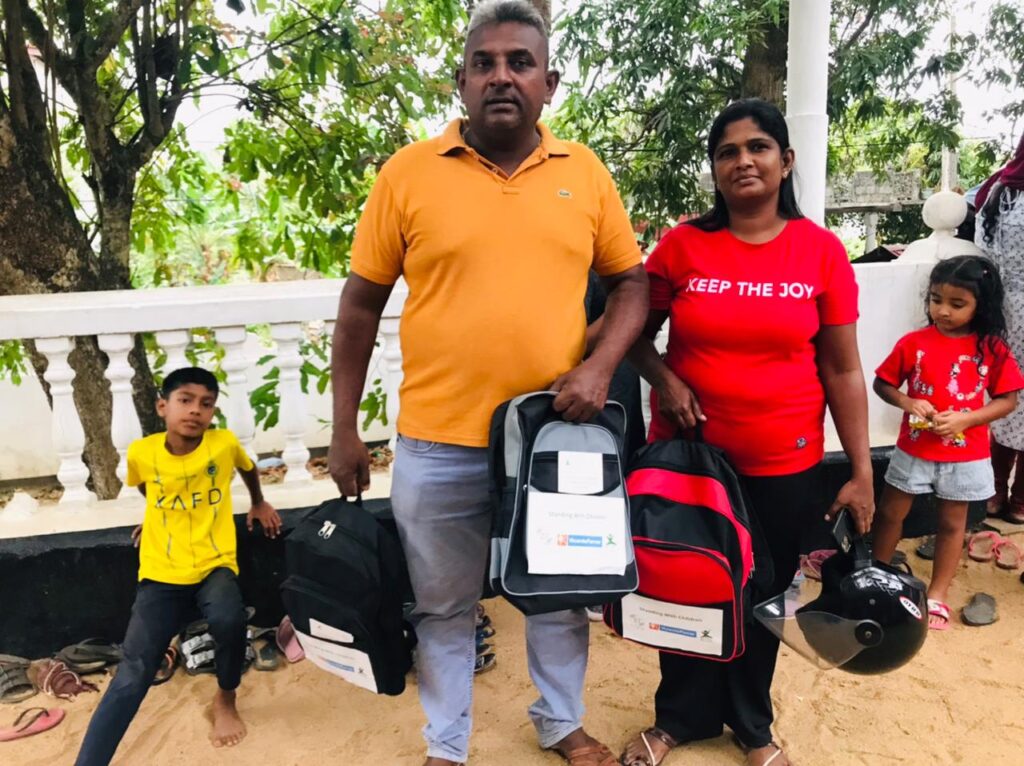
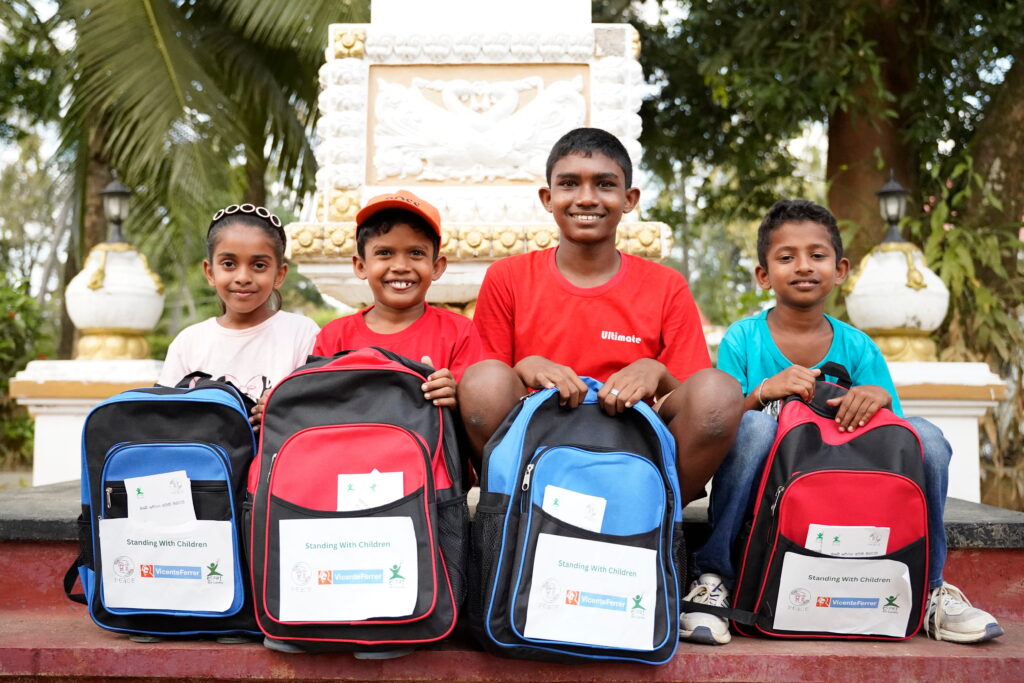
- 3,500 education recovery kits were distributed
- Thousands of coordination calls were made to ensure accuracy and transparency
- Distributions were completed within days of data verification
Several GN Divisions remain to be covered, and work continues to ensure no eligible child is left behind.
This emergency education support enables children to return to learning, regain daily routines, and experience a sense of normalcy, which is critical in the aftermath of a disaster.
Beyond Relief: Looking Ahead
While emergency education support has been the immediate priority, PEaCE recognises that recovery goes far beyond material assistance. The floods have left many children and caregivers feeling distressed, uncertain, and emotionally strained.
As part of the next phase, PEaCE is committed to expanding:
- Psychosocial support for children and families
- Group-based and community-level emotional-wellbeing activities
- Child-friendly spaces and safe learning environments
- Continued coordination with government and community mechanisms
Gratitude and Commitment
We extend our deepest gratitude to our donors, partners, volunteers, government counterparts, and community members who made this response possible. What initially appeared to be a simple relief operation evolved into an intense, demanding, yet profoundly meaningful collective effort.
This experience has strengthened our systems, sharpened our coordination, and reinforced our commitment to serving children with dignity, transparency, and care.
While we sincerely hope that communities are spared from such disasters in the future, PEaCE | ECPAT Sri Lanka remains ready to respond, to protect, and to stand with children when they need us most.


